Your energy is finite and precious—protect it accordingly.
Most business owners operate as if they have unlimited capacity, saying yes to everything until they’re stretched impossibly thin, wondering why the business isn’t growing despite working harder than ever. Being busy isn’t the same as being productive. True productivity means moving closer to your goals with intention and by using your energy wisely.
Operations: The Foundation for Saying No
For most businesses, the goal is to make money. Understanding this means recognizing you have three levers you can pull: the rate at which you generate revenue through sales, what you’ve invested to eventually sell, and the money required to turn those investments into revenue.
Your vision statement is your roadmap to profitability. It tells people exactly what results you help clients achieve, what makes your approach different, and who you serve. When your vision is this clear, your team understands how you make money, your customers know exactly what you offer, and your daily decisions naturally align with long-term profitability.
This clarity is what gives you permission to say no. When you know what actually drives revenue, you can identify what deserves your attention and what doesn’t.
The January session of the Women’s Entrepreneurial Fellowship, “Operations for Growth,” focused on exactly this kind of operational clarity. Jennifer Jurgens of 1 Bold Step walked the cohort through the systems and prioritization needed to scale sustainably. One of her most memorable insights was a simple metaphor: Imagine your work time as a vase you need to fill with large rocks, smaller gravel, sand, and water. The rocks represent your must-do priorities—revenue-generating projects, major system improvements, strategic relationships. The water is time fillers—social media scrolling, unnecessary meetings, perfecting things that don’t matter. If you fill the vase with water and sand first, you’ll never fit the rocks.
Fill your vase with rocks first–three to five quarterly priorities that genuinely move your business forward. Before committing to any major initiative, ask yourself: Will this significantly impact revenue? Is this the highest leverage activity I could be doing right now?
Now add one more filter: your bottleneck. From the moment someone becomes a lead to the moment cash hits your account, somewhere on that trail there’s a bottleneck limiting how fast revenue can flow through your company.
For some businesses, it’s proposal creation taking forever. For others, it’s that the owner has to approve every single decision. Maybe it’s production capacity, payment processing, or simply not having enough appointments available. You’ll know you’ve found it when work piles up before this step, when there’s constant urgency and stress around it, or when clients complain about it.
Until you address this bottleneck, nothing else you optimize will matter. This is why understanding your operations—your vision, your priorities, your constraints—is essential to protecting your time. You can’t say no to the right things until you know what the right things are.
Once you have that clarity, saying no becomes easier. Not easy, but easier.
Learning to Say No
Most entrepreneurs live in the short term, making decisions based on what’s urgent today rather than what will matter ten years from now. This leads to exhaustion, burnout, and businesses that consume their owners rather than serving them.
The 10-Year Shift, part of the Women’s Entrepreneurial Fellowship methodology, challenges you to reprogram your brain. To stop living reactively and start making decisions based on where you want to be a decade from now. To challenge the mindset that you must always be working, that you must say yes to every opportunity, that your business growth requires your personal exhaustion.
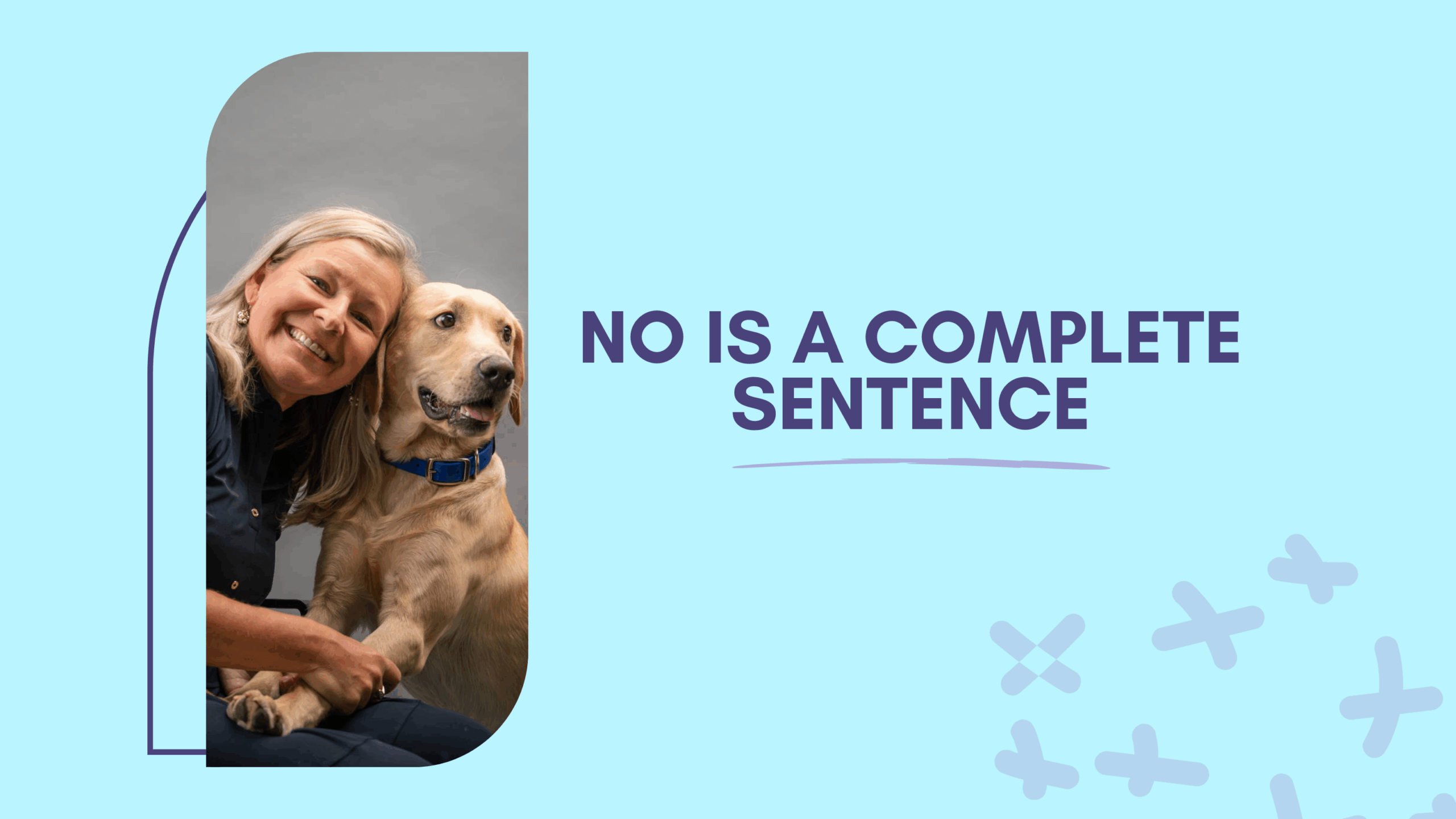
Central to this methodology is learning to say no.
Think about the last three months. What did you agree to do that you should have declined? Why did you say yes—was it guilt, fear of disappointing someone, worry about missing out, or just habit?
The practice of saying no isn’t about being difficult or unhelpful. It’s about protecting your energy for the work that truly matters. It’s about recognizing that every yes to something that doesn’t serve your vision is a no to something that does. When you say no to what drains you, you free up capacity for the high-impact work that actually moves your business forward.
That’s not just good operations. That’s the foundation for a business that lasts.